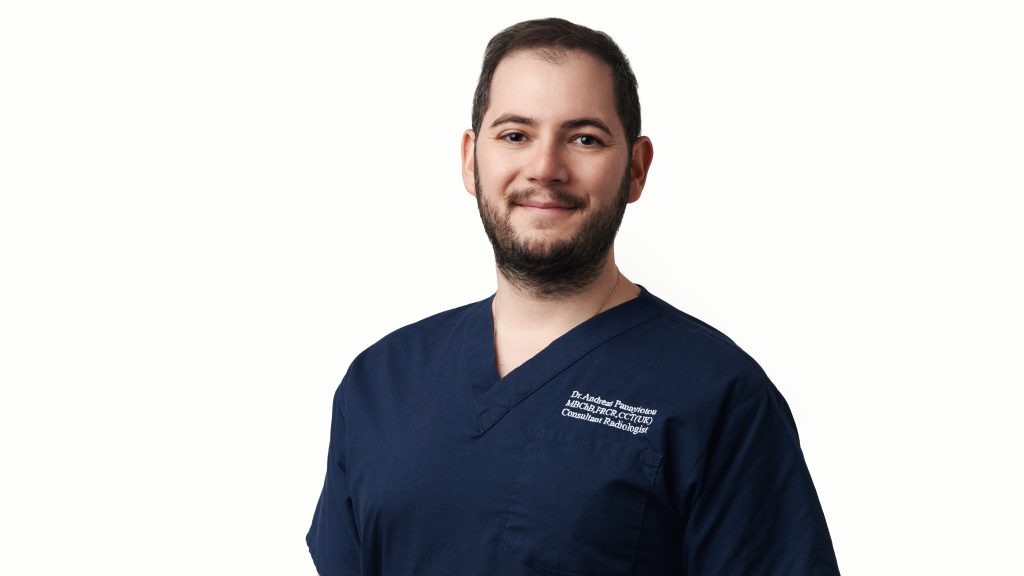


By Dr. Andreas Panagiotou*
Advances in imaging technology have led to more accurate imaging diagnostic examinations, greatly contributing to timely diagnosis and effective treatment of various medical conditions. In recent years, several advanced diagnostic tests have been added to physicians' toolkit, including Musculoskeletal Ultrasound (MSK US).
It is a quick, painless, and reliable non-invasive imaging examination that uses high-frequency sound waves to produce real-time images of soft tissues (e.g., muscles, tendons, ligaments). MSK ultrasound is widely used for the diagnosis of a variety of musculoskeletal conditions, such as:
- Diagnosis of Soft Tissue Injuries in Sports Medicine: The examination allows for the evaluation of pathological conditions such as tendon tears, ligament sprains, muscle strains, and bursitis. Ultrasound provides a dynamic view, assisting in the identification of soft tissue injuries and monitoring healing, thereby facilitating timely diagnosis and guiding rehabilitation.
- Evaluation of Joint Disorders: Ultrasound is effective in diagnosing arthritis, inflammation, fluid accumulation, and other joint-related issues.
- Evaluation of Nerve Entrapment: It identifies entrapments of peripheral nerves, such as carpal tunnel syndrome, cubital tunnel syndrome, and Morton’s neuroma. It allows for imaging of nerve compression and other related structural changes.
- Real-Time Dynamic Study Capability: Unlike magnetic resonance imaging (MRI) or X-rays, ultrasound provides real-time imaging, making it useful for dynamic assessment of musculoskeletal function, specifically for observing movement and detecting abnormalities during activity.
- Initial Evaluation of Soft Tissue Tumors: The examination is useful for the initial assessment and monitoring of superficial tumors. It assists in identifying benign tumors, such as lipomas and vascular malformations, as well as guiding further imaging evaluation of other types of space-occupying lesions.
In conclusion, Musculoskeletal Ultrasound is a valuable and non-invasive diagnostic tool that aids in the rapid diagnosis and monitoring of various musculoskeletal conditions. Its real-time imaging capabilities make it particularly valuable in sports injuries, while being safe for all patients, especially those who cannot undergo other types of diagnostic examinations, such as MRI or CT scans.
It is important to note that the specialization and experience of the physician-radiologist are essential prerequisites for the accurate and reliable performance of the examination.
*Dr. Andreas Panagiotou - Radiologist with a specialization in the musculoskeletal system.
Alpha Evresis Diagnostic Center, Bioiatriki Healthcare Group in Cyprus